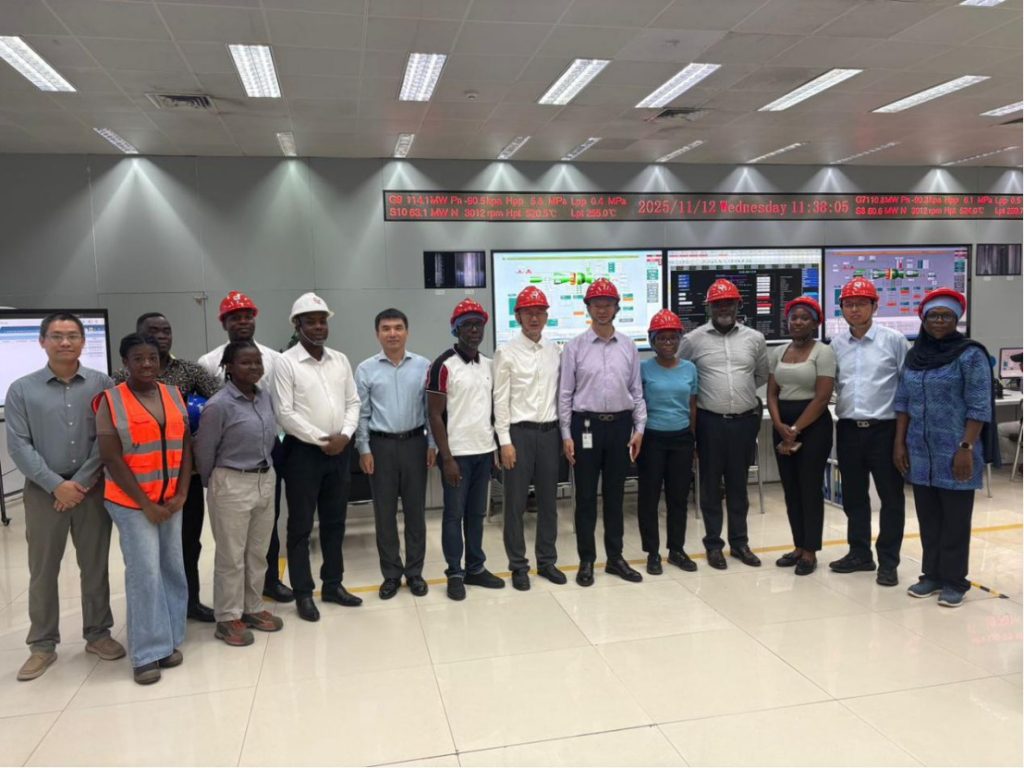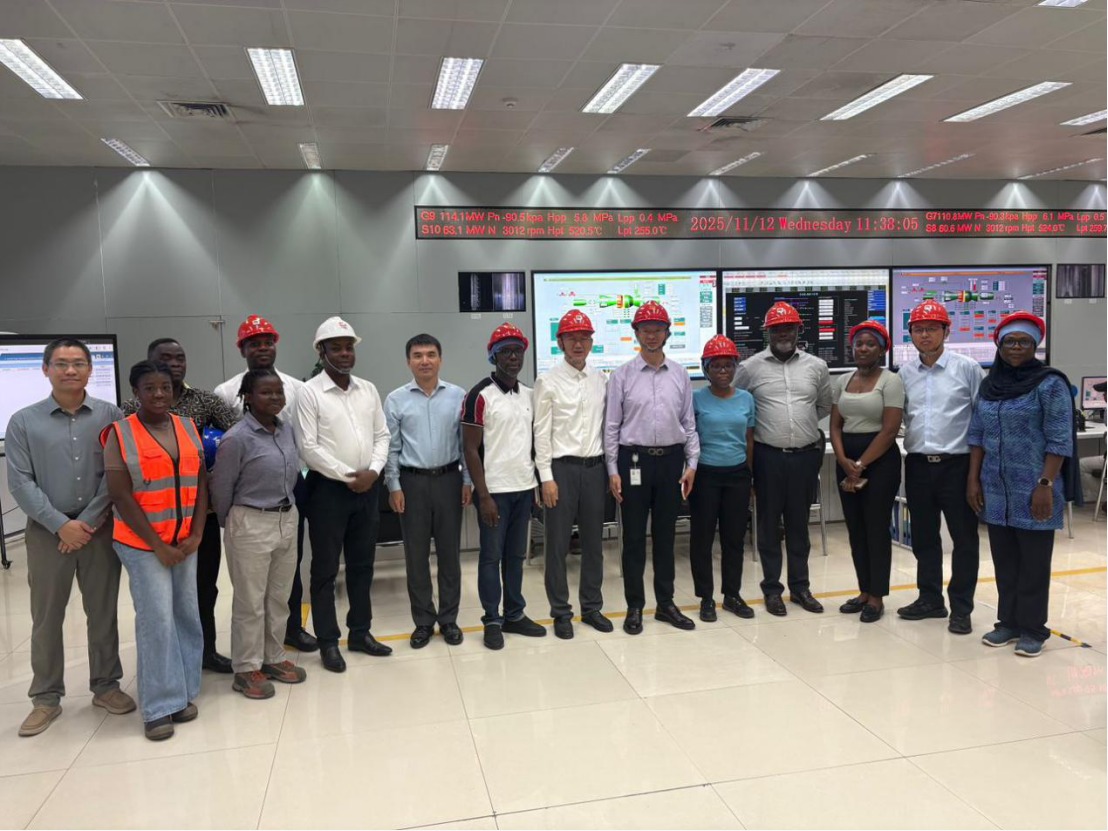
A high-level delegation from the World Bank, led by Mr. Tang Jie, Head of Energy Practice for West and Central Africa, paid an official working visit to Sunon Asogli Power (Ghana) Limited Company. The delegation was received by Mr. Wang Jinxiao, Chairman of Sunon Asogli Power (SAP), together with the company’s leadership. Both parties engaged in in-depth discussions on SAP’s operations and industry developments.
During the visit, SAP’s leadership provided an overview of its power generation operations, equipment maintenance protocols, and daily safety management systems. The World Bank delegation commended SAP for its outstanding operational standards and its role in ensuring reliable power supply for Ghana, reaffirming the company’s position as the nation’s leading independent power producer.
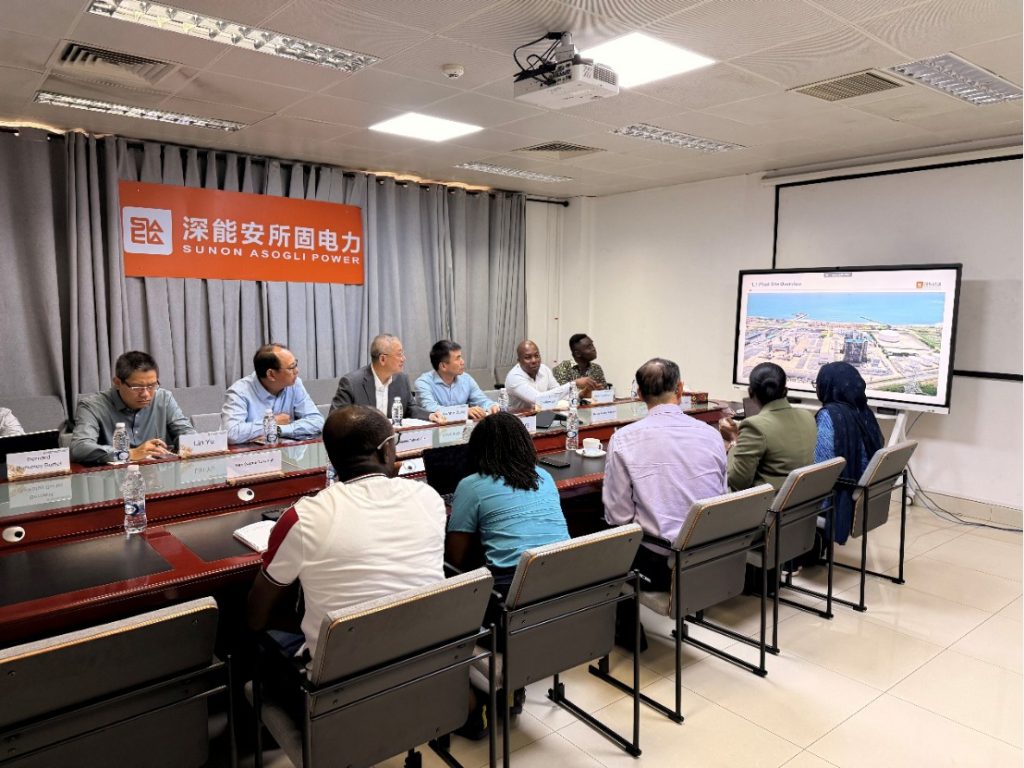
Regarding future developments, SAP briefed the delegation on its key strategic projects, including the ongoing 200 MW photovoltaic project in northern Ghana, the 850 MW Phase III expansion, and the 200 MW Ada wind power project. The World Bank delegation expressed strong support for the SAP’s overall development strategy, noting its alignment with the World Bank’s “Mission 300” initiative, which aims to provide an additional 300 million people in Africa with reliable electricity access by 2030. They also highlighted the World Bank’s commitment to increasing investment in the upgrading and expansion of Ghana’s power grid. The delegation noted that SAP’s Phase III strategic plan is forward-looking, demonstrating SAP’s ability to anticipate industry needs and capitalise on emerging opportunities, and its expected role in optimising the future energy structure.
The World Bank delegation noted that the visit provided valuable insights that will help deepen future cooperation in energy governance and infrastructure development. SAP reaffirmed its commitment to high operational standards and to contributing meaningfully to Ghana’s energy transition and the sustainable growth of the sector.