Building on its track record in Ghana’s energy sector, Sunon Asogli Power is partnering with the Government of Ghana to tackle one of the country’s most pressing infrastructure challenges: solid waste management and disposal.
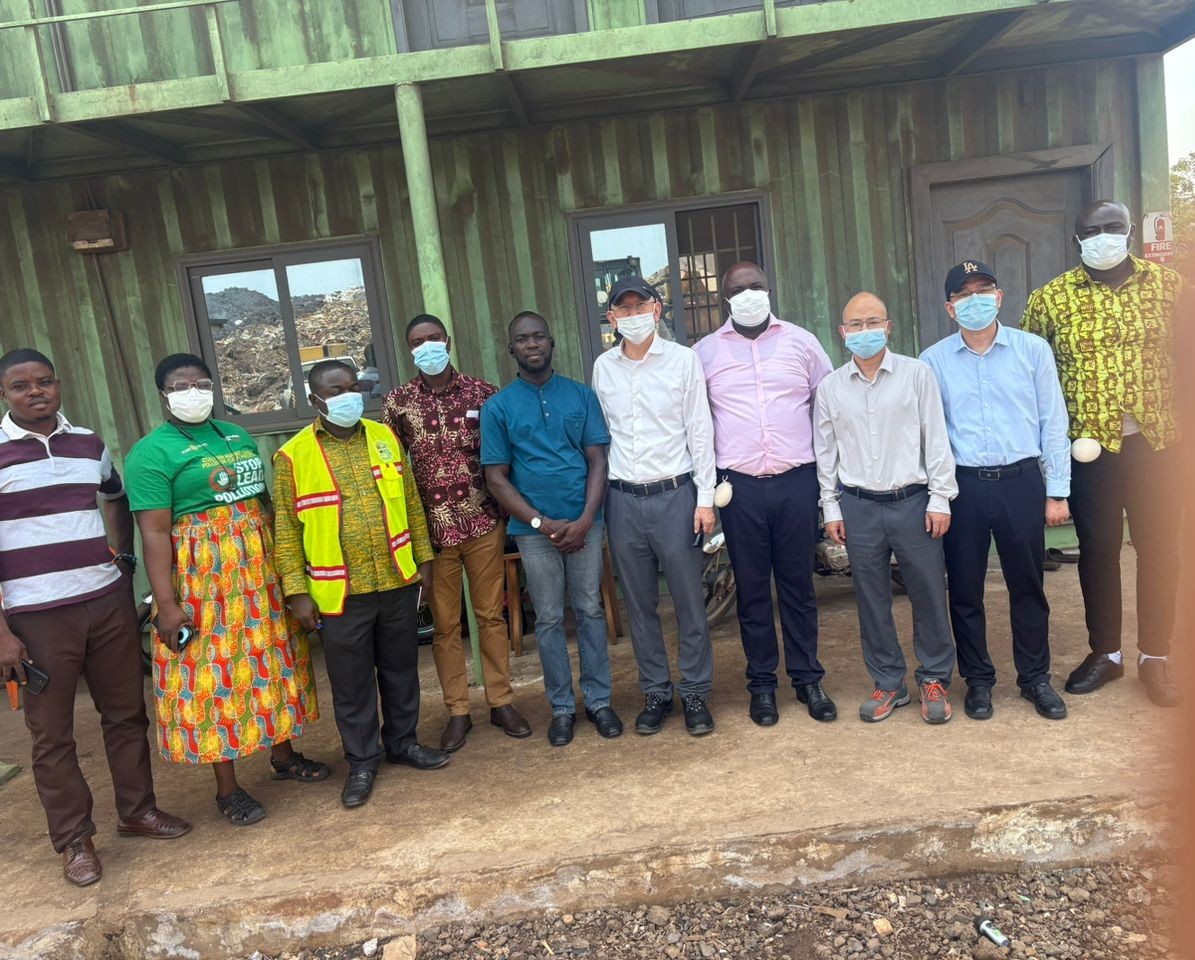
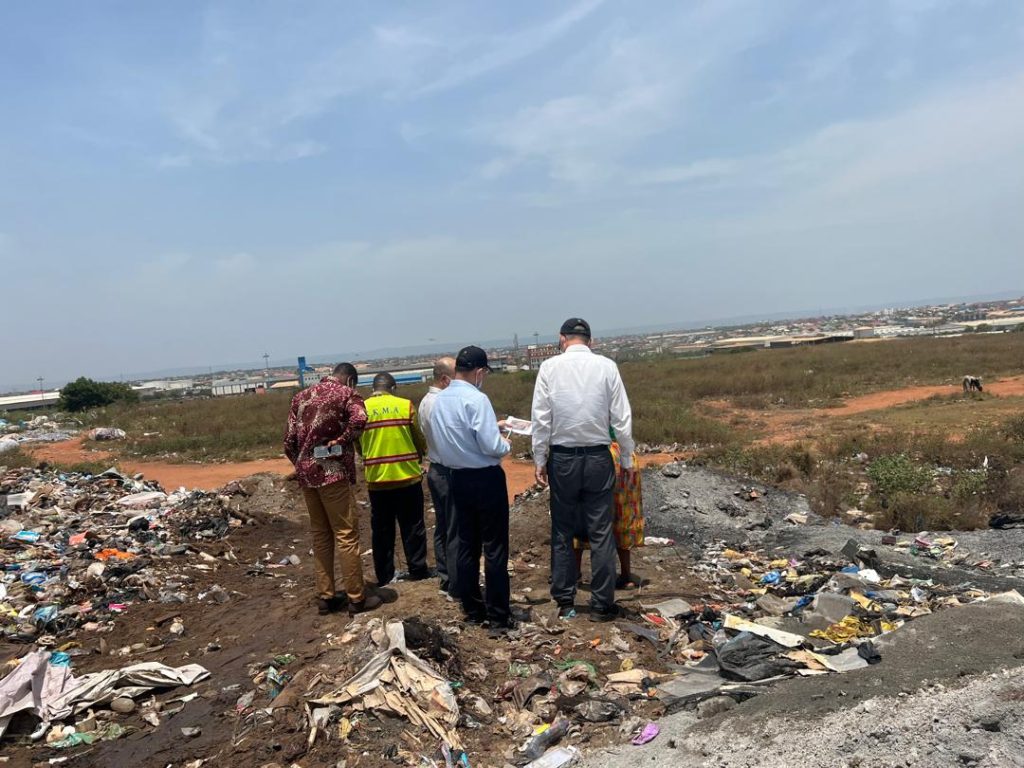
Mr. Wang Jinxiao, Chairman of Sunon Asogli Power, recently visited the Kpone Landfill site alongside representatives of the Kpone Katamanso Municipal Assembly (KKMA) to conduct a first-hand assessment of the site. Located just 6km from the Sunon Asogli Power Plant, the facility has operated under significant strain in recent years.
Originally opened in 1996, the Kpone Landfill was temporarily closed in 2012 when a modern facility nearby came online. However, following an uncontrolled fire at the newer site in 2019, waste disposal operations resumed at Kpone. Today, the facility, which is owned by the Government of Ghana through the Ministry of Local Government and managed under a PPP arrangement, receives approximately 650–
700 metric tonnes of waste daily from over ten municipalities in eastern Accra. The waste stream includes household, commercial, industrial, construction, and medical waste, with no technical treatment or remediation capacity in place.
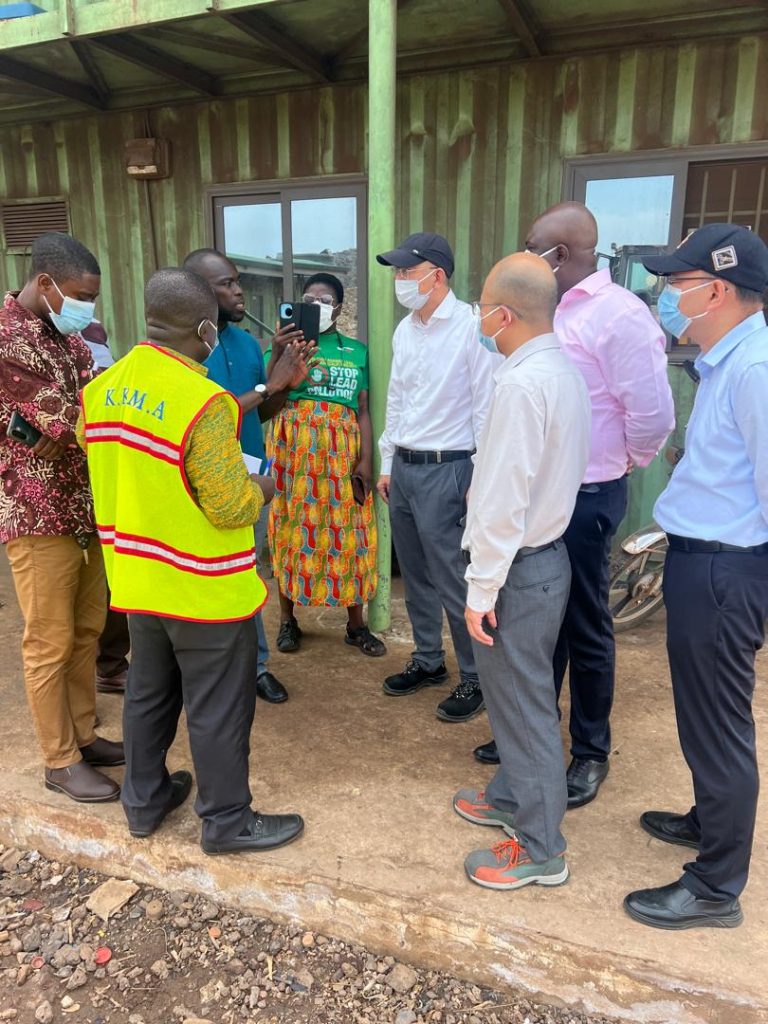
Chairman Wang underscored the urgency of a fundamental shift in Ghana’s approach to waste management, noting the stark contrast with China, where large accumulations of unmanaged waste have been effectively eliminated. He expressed Sunon Asogli Power’s readiness to introduce advanced incineration and waste-to-energy technologies to convert the site’s existing stockpiles and ongoing waste flows into a productive energy resource.
The proposed solutions will draw on the capabilities of Shenzhen Energy Environmental Company (SEE), a subsidiary of Shenzhen Energy Group established in 1997. SEE has grown into a leading solid waste technology and management platform, delivering end-to-end solutions in clean and efficient waste treatment, waste-to-energy, and resource recovery. The company currently operates approximately 1,188 MW of waste-to-energy capacity, with a daily municipal solid waste disposal capacity of around 79,000 tonnes.
Municipal solid waste presents an opportunity to generate “double dividends”—simultaneously addressing environmental challenges and producing clean energy. This initiative aligns with the Government of Ghana’s broader agenda to reset the country’s economic foundations, particularly in environmental sanitation and energy.